免费材料
Как запускать LLM локально с LM Studio: Полное руководство 2026
Полное руководство по LM Studio: установка, модели, CLI, интеграция API и сравнение с Ollama для локального развёртывания LLM
How to Run LLMs Locally with LM Studio: Complete Guide 2026
Complete guide to LM Studio: setup, models, CLI, API integration, and comparison with Ollama for local LLM deployment





The Relationship Between Crystalline Structures and Biological Systems: The Ovsyannikova–Banchenko Hypothesis. Part II
Гипотеза Овсянникова-Банченко II

The Relationship Between Crystalline Structures and Biological Systems: The Ovsyannikova–Banchenko Hypothesis. Part I
This article examines hypothetical mechanisms through which crystalline structures and form-related factors may influence biological systems, with particular focus on integrative regulatory centers of the nervous and endocrine systems. The work draws on contemporary concepts of nonlinear dynamics, distributed regulatory nodes, weak fields, and morphogenetic effects that extend beyond classical anatomo-physiological models. A multidisciplinary framework is proposed, linking physico-biological processes, subjective experience, and systemic effects of weak interactions.
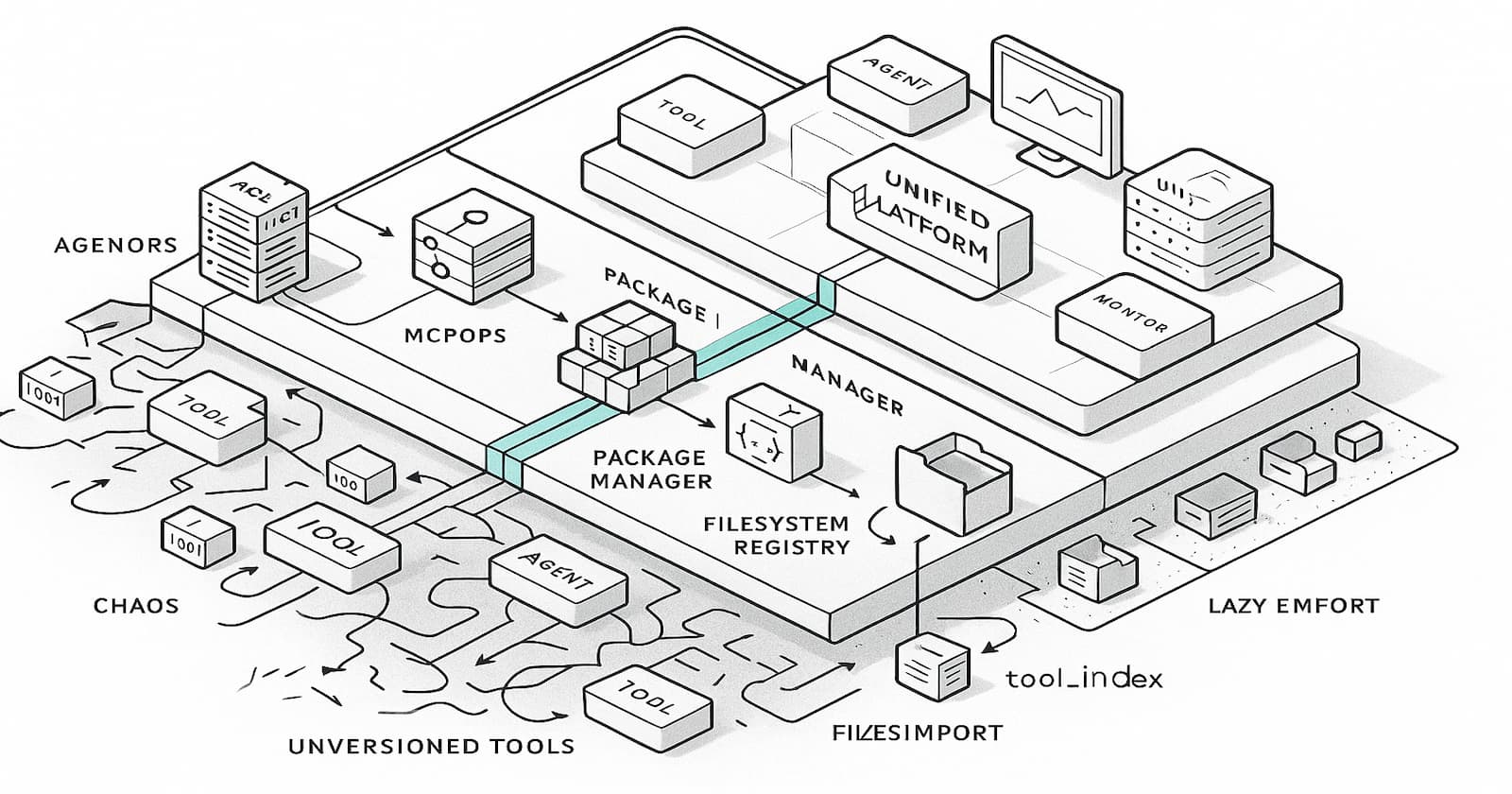
Построение инфраструктуры AI-агентов: три пути от хаоса к масштабируемым системам
Наш опыт работы с клиентом, которому мы помогли превратить один большой AI-монорепозиторий в структурированную экосистему агентов, инструментов и регистров.
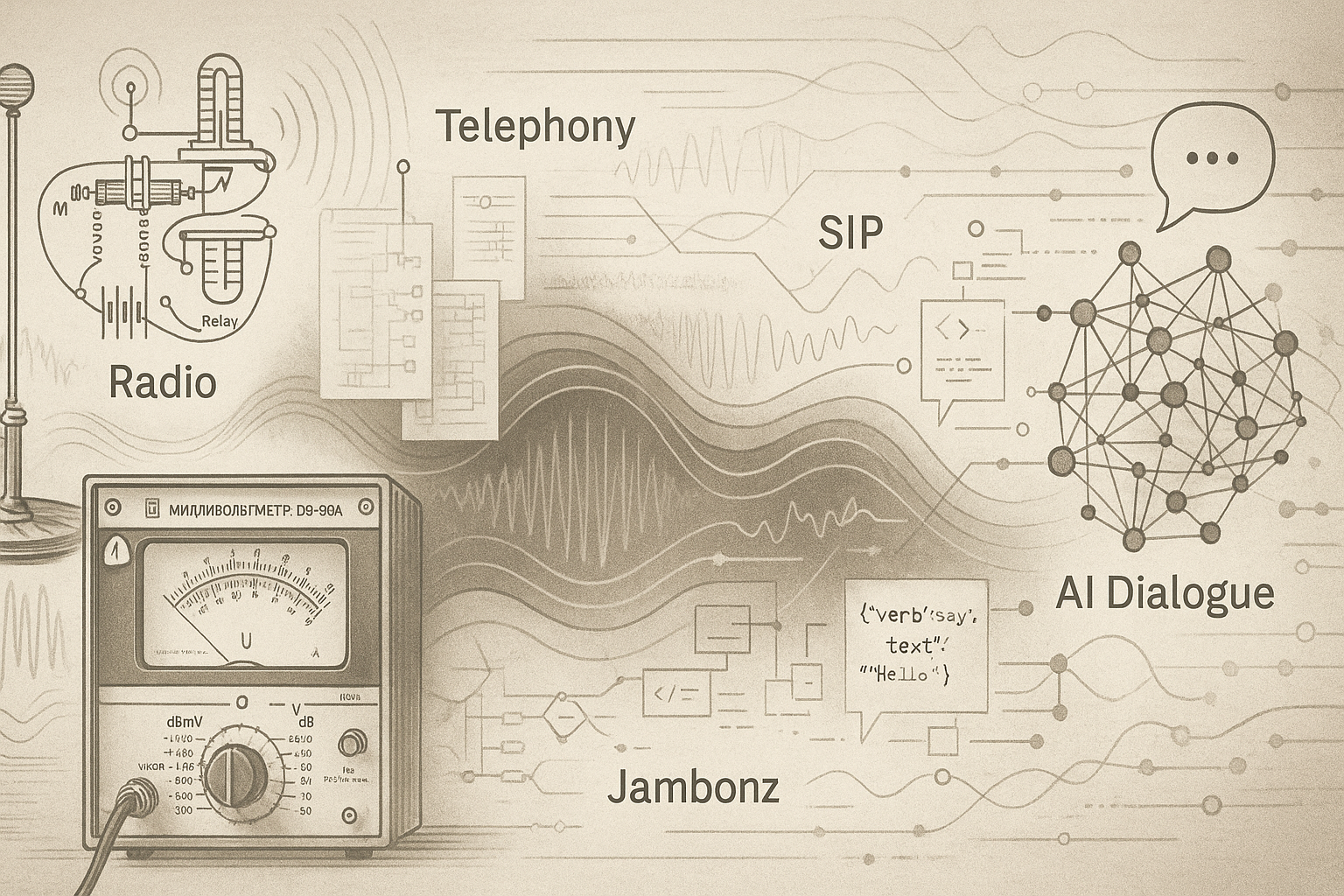
Voice AI systems based on Jambonz: from telephony to human-machine dialogue
From Popov's experiments with radio communication to AI calls — how telephony became the foundation of smart communications
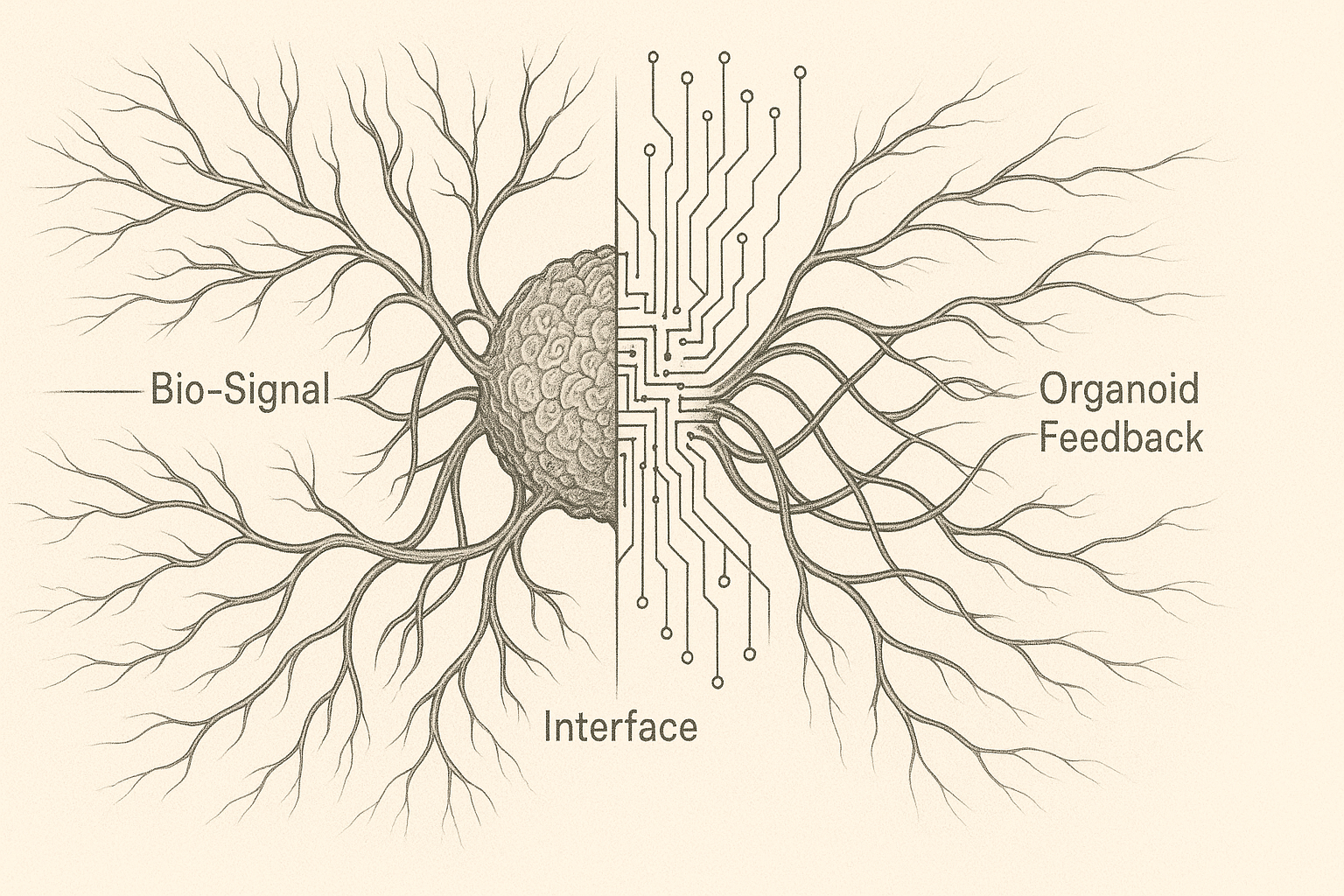
Biologically harmonized neurointerfaces: from invasive electrodes to autologous organoids
Invasive neurointerfaces (Utah array, Neuropixels, Neuralink) demonstrate remarkable outcomes in short-term experiments; however, their durability and biocompatibility remain limited. The formation of glial scars, mechanical mismatch, and chronic inflammation reduce signal quality and constrain neuroplasticity. This article discusses the prospects of transitioning from rigid electrode-based systems to biological solutions, including autologous neural organoids and hybrid tissue interfaces, which are capable of integrating into the brain and supporting natural mechanisms of self-learning. Keywords: Neurointerfaces, BCI, brain, biohybrid
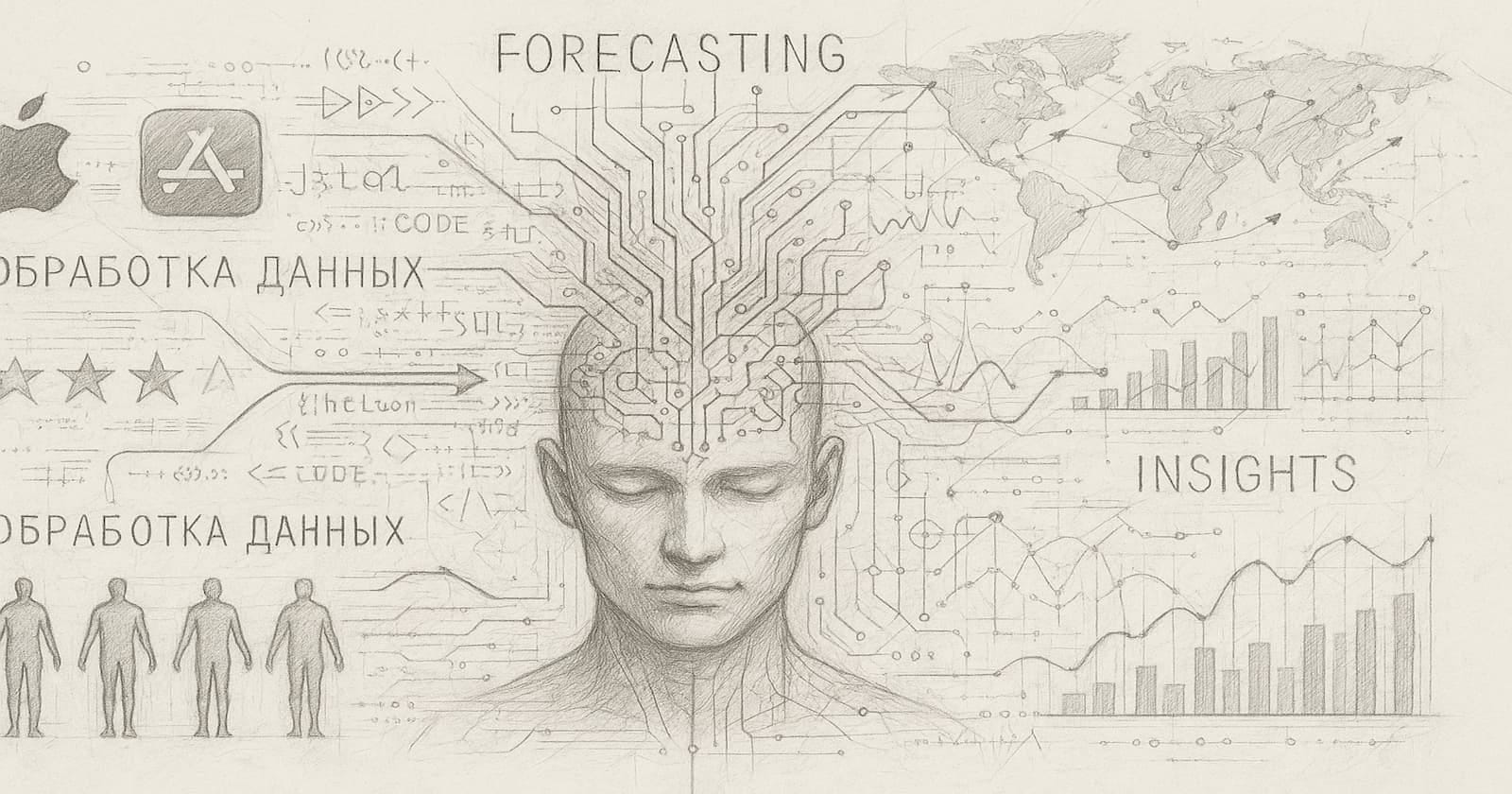
Building an App Store Review Analysis Pipeline with Python NLP & Data Visualization
An AI-driven experiment on how App Store data can reveal market, social, and consumer trends